Myopia Control vs. Standard Glasses: Slowing Nearsightedness in Fenton Area Students
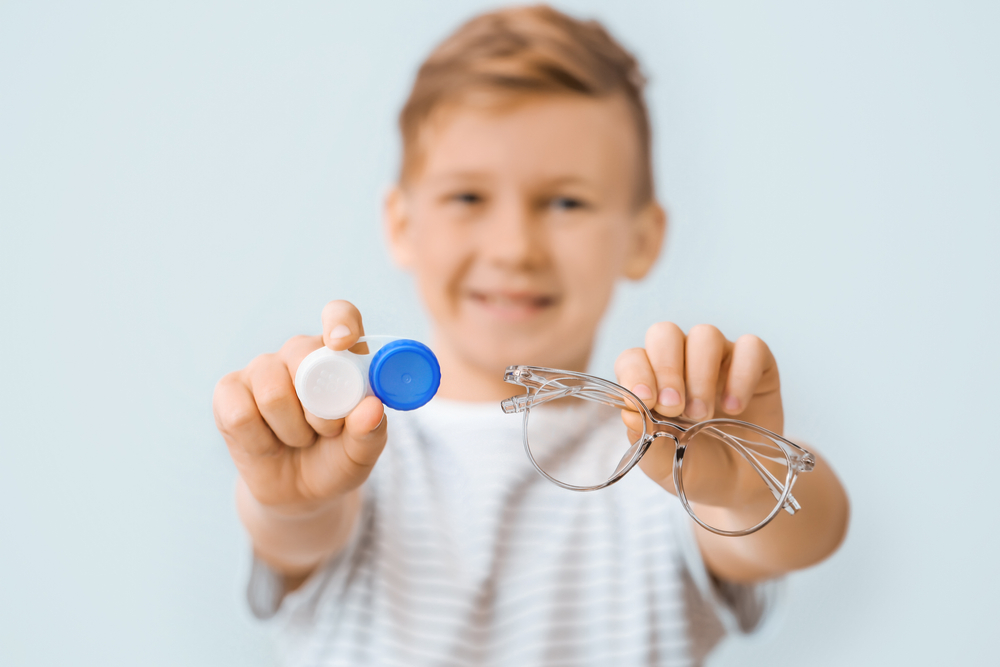
When a child becomes nearsighted, standard glasses can help them see the classroom board, road signs, and other distant objects clearly. However, correcting blurry vision is not the same as managing how myopia progresses. For families in the Fenton area, understanding the difference between standard vision correction and myopia control can help parents make informed decisions about their child's long-term eye health.
What Is Myopia?
Myopia, or nearsightedness, causes distant objects to appear blurry while close-up vision remains clearer. It often begins during childhood and may progress as a child's eyes continue to grow.
A stronger prescription can correct the resulting blur, but increasing levels of myopia may also be associated with greater eye health concerns later in life. This is why monitoring changes in a student's prescription during regular eye exams is important.
How Standard Glasses Help
Traditional prescription glasses are designed primarily to provide clear vision. If your child has myopia, glasses can make schoolwork, sports, driving, and everyday activities easier by bringing distant objects back into focus.
Standard glasses generally do not address the underlying progression of myopia. When a child's nearsightedness continues to worsen, a myopia control approach may be considered instead of relying only on stronger prescriptions over time.
Signs that your child may need their vision or myopia progression evaluated include:
• Squinting to see the board or distant objects
• Moving closer to the television or classroom displays
• Complaining that current glasses no longer seem clear
• Frequent prescription changes
• Difficulty seeing during sports or other distance activities
How Myopia Control Is Different
Myopia control, also called myopia management, focuses on slowing the progression of nearsightedness during childhood rather than simply correcting blurry vision. The appropriate approach depends on factors such as your child's age, prescription, eye health, lifestyle, and how quickly their myopia is changing. Regular measurements and follow-up visits allow us to monitor progression and determine whether the management plan is working as intended.
Where Does Ortho-K Fit In?
Orthokeratology, commonly called Ortho-K, is one option used for myopia management. Ortho-K uses specially designed gas-permeable contact lenses worn overnight to gently reshape the cornea.
After the lenses are removed in the morning, many patients can see clearly throughout the day without wearing glasses or daytime contacts. For children with progressing myopia, Ortho-K may also help slow changes in nearsightedness over time.
Because Ortho-K lenses are custom fitted, a thorough eye examination and careful follow-up are essential. Not every child is an appropriate candidate, so we evaluate each student's eyes and visual needs individually.
When Should Parents Consider Myopia Control?
If your child's prescription seems to be getting stronger from year to year, it may be time to discuss myopia management. Early evaluation gives us an opportunity to track vision changes and determine whether options such as Ortho-K may be appropriate. At Fenton Vision Center, we provide comprehensive eye care for families throughout Fenton and the surrounding communities, with personalized recommendations based on each patient's visual needs.
Schedule your child's eye exam with Fenton Vision Center to learn more about managing progressing nearsightedness and protecting clear vision for the years ahead. Visit our office in Fenton, MI, or call (810) 629-3070 to book an appointment today.
Helpful Articles
All Eye Care Services
Find personalized eye care excellence with our comprehensive services. From eye exams to advanced diagnostics, trust us for all your vision needs.

Quick Links
Contact Info
- 212 W. Silver Lake Road
Fenton, MI 48430 - Phone: (810) 629-3070
- Fax: (810) 629-6748
Hours of Operation
- Monday 9:00am - 5:00pm
- Tuesday 9:00am - 5:00pm
- Wednesday 9:00am - 5:00pm
- Thursday 9:00am - 5:00pm
- Friday 9:00am - 2:00pm
- Saturday Closed
Open one Saturday a month, please call for more information - Sunday Closed
- Monday
- Tuesday
- Wednesday
- Thursday
- Friday
- Saturday
- Sunday
- Monday
- Tuesday
- Wednesday
- Thursday
- Friday
- Saturday
- Sunday
© 2026 Fenton Vision Center. All rights Reserved - Accessibility Statement - Privacy Policy - Sitemap
Managed and Designed by 